

Evidence-based insights for patients navigating obesity, blood sugar control, and metabolic health in Gurgaon.
By Dr. Ladli Chatterjee, MBBS, MD (General Medicine), FIDD, FAM, Fellowship in Diabetes — Royal Liverpool Academy, UK · General Physician & Diabetologist, Profrea Multispeciality Clinic, Gurgaon · Published July 2026
If you or someone you love has been diagnosed with Type 2 diabetes, you have almost certainly heard the phrase: "Lose some weight and your sugar will come down." But is that the whole story? Can weight loss actually reverse Type 2 diabetes — not just manage it, but put it into remission? The short answer, backed by a growing body of clinical evidence, is: yes, for many patients, it can.
This article unpacks the science, sets realistic expectations, addresses the role of diabetes medications in weight change, and outlines what a structured weight-loss plan looks like for someone living with Type 2 diabetes in Gurgaon.
Type 2 diabetes is fundamentally a disease of insulin resistance. Excess body fat — particularly visceral fat stored around the abdomen and liver — interferes with the body's ability to use insulin effectively. The pancreas compensates by producing more insulin, but over time this capacity is exhausted, and blood glucose rises to diabetic levels.
According to the World Health Organization, the global prevalence of diabetes has nearly doubled since 1980, with obesity identified as the single most modifiable risk factor for Type 2 diabetes. In India, the burden is compounded by a genetic predisposition to central obesity and insulin resistance even at lower BMI thresholds — making metabolic health a critical priority for patients across Gurugram and the NCR region.
The good news: because excess fat is a driver of insulin resistance, reducing that fat can directly reverse the underlying mechanism — not just lower blood sugar numbers on a report.
The landmark DiRECT trial, published in The Lancet and subsequently supported by research highlighted by the National Institute of Diabetes and Digestive and Kidney Diseases (NIDDK), demonstrated that nearly half of participants who lost significant weight through a structured dietary programme achieved remission of Type 2 diabetes — defined as HbA1c below 6.5% without diabetes medication for at least one year.
Key findings from the evidence base:
10–15 kg of weight loss is associated with the highest rates of remission in patients with shorter diabetes duration (under 6 years).
Even 5–10% body weight reduction produces meaningful improvements in HbA1c, fasting glucose, blood pressure, and lipid profiles.
Remission is more likely when diabetes is caught early and when weight loss is sustained — not just achieved temporarily.
Liver fat reduction appears to be a critical mechanism: as ectopic fat leaves the liver and pancreas, insulin sensitivity and beta-cell function can partially recover.
It is important to be clear: remission is not a cure. If weight is regained, diabetes typically returns. This is why sustainable lifestyle change — not crash dieting — is the clinical goal.
There is no single number that applies to every patient, but clinical benchmarks offer useful guidance:
| Weight Loss Achieved | Expected Metabolic Benefit |
|---|---|
| 3–5% of body weight | Reduction in fasting blood glucose; improved insulin sensitivity |
| 5–10% of body weight | Significant HbA1c reduction; possible medication dose reduction |
| 10–15 kg (absolute) | Potential remission in early-stage Type 2 diabetes |
| 15%+ of body weight | Highest remission rates; comparable to bariatric surgery outcomes in some trials |
The right target for you depends on your current HbA1c, duration of diabetes, existing medications, and overall health. This is precisely why a personalised assessment with a qualified diabetologist — not a generic diet plan — is the starting point for any serious weight-management programme.
This is one of the most frequently asked — and least openly discussed — questions in diabetic care. The honest answer: yes, some diabetes medications can promote weight gain, and this can create a frustrating cycle for patients trying to lose weight.
Here is a practical breakdown by medication class:
Insulin therapy: Often associated with weight gain of 2–4 kg, particularly when doses are increased. Insulin promotes fat storage and can increase appetite.
Sulfonylureas (e.g., glibenclamide, glimepiride): Stimulate insulin release regardless of blood sugar level, which can lead to hypoglycaemia episodes — and compensatory eating.
Thiazolidinediones (e.g., pioglitazone): Improve insulin sensitivity but are associated with fluid retention and fat redistribution.
Metformin: Generally weight-neutral or mildly weight-reducing — often the first-line choice for this reason.
GLP-1 receptor agonists (e.g., semaglutide, liraglutide): Associated with significant weight loss — now used as dual-purpose agents for both glucose control and obesity treatment.
SGLT-2 inhibitors (e.g., empagliflozin, dapagliflozin): Promote modest weight loss by causing glucose excretion through urine.
If you feel your current medication regimen is working against your weight-loss goals, do not stop or reduce medication on your own. A structured review with your diabetologist can identify whether a medication switch or dose adjustment is appropriate — and safe.
Dr. Ladli Chatterjee, Profrea's Fellowship-trained Diabetologist, specialises in exactly this kind of nuanced medication review — balancing glycaemic control with metabolic and weight outcomes for patients across Gurgaon.

How progressive weight loss reduces visceral fat, improves liver function, and restores insulin sensitivity in Type 2 diabetes.
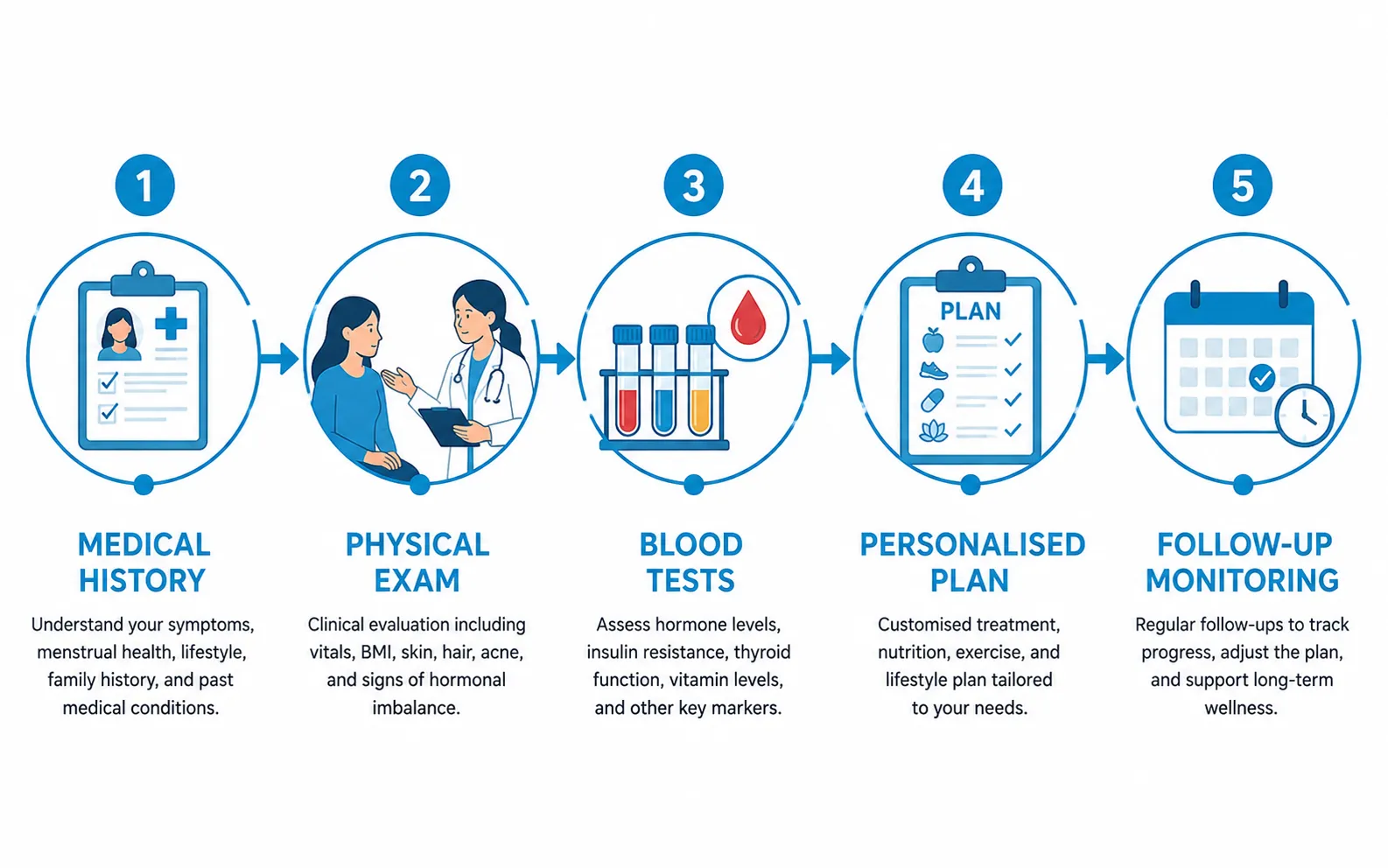
The best plan is one that is medically supervised, individually calibrated, and sustainable. Generic low-calorie diets are not designed for people on insulin or sulfonylureas — unsupervised caloric restriction in these patients can trigger dangerous hypoglycaemia. Here are the evidence-supported pillars of a diabetes-specific weight-loss programme:
A registered dietitian or nutrition specialist designs a calorie-controlled meal plan that accounts for glycaemic index, carbohydrate distribution, and medication timing. Low-carbohydrate and Mediterranean-style diets have the strongest evidence base for both weight loss and HbA1c reduction in Type 2 diabetes. Profrea's network includes qualified nutrition and dietetics specialists who work alongside the diabetology team.
A combination of aerobic exercise (150 minutes per week of moderate intensity) and resistance training is recommended. Exercise independently improves insulin sensitivity — even without significant weight loss. Patients with neuropathy, retinopathy, or cardiovascular complications need a modified, supervised exercise prescription. Profrea's physiotherapy team can assist with safe exercise planning for diabetic patients.
As discussed above, aligning your medication regimen with your weight-loss goals is critical. GLP-1 agonists and SGLT-2 inhibitors may be particularly valuable for patients who need both better glucose control and meaningful weight reduction. This requires a specialist review — not a one-size-fits-all prescription.
Emotional eating, stress-related cortisol spikes, and sleep disruption all directly worsen insulin resistance and undermine weight-loss efforts. Profrea's integrated care model includes access to Dr. Sarika Thakral, a Consultant Clinical Psychologist with 15+ years of experience, who can address the psychological dimensions of metabolic health — including stress, anxiety, and behavioural patterns around food.
HbA1c, fasting glucose, lipid panel, kidney function, and blood pressure should be monitored at defined intervals. As weight drops, medication doses often need to be reduced — failing to do so risks hypoglycaemia. Profrea's structured health screening packages make it straightforward to track these parameters consistently across its 7 clinic locations in Gurugram.
Focusing only on HbA1c misses the bigger picture. Type 2 diabetes rarely travels alone — it is typically accompanied by hypertension, dyslipidaemia, non-alcoholic fatty liver disease (NAFLD), and elevated cardiovascular risk. This cluster is collectively known as metabolic syndrome.
Weight loss addresses all of these simultaneously. A 10% reduction in body weight has been shown to:
Reduce systolic blood pressure by 5–10 mmHg
Lower LDL cholesterol and triglycerides
Reduce liver fat content and improve liver enzyme levels
Decrease the risk of cardiovascular events by up to 30% in high-risk patients
This is why treating obesity in a diabetic patient is not cosmetic — it is cardiovascular medicine. And it is why the most effective approach is multi-disciplinary: diabetologist, dietitian, physiotherapist, and psychologist working from a shared care plan.
You should seek a specialist consultation — rather than attempting self-directed weight loss — if any of the following apply:
You are on insulin or a sulfonylurea (hypoglycaemia risk during caloric restriction)
Your HbA1c is above 8% despite current medication
You have tried multiple diets without sustained success
You have complications such as kidney disease, neuropathy, or retinopathy
You have a BMI above 27.5 (the South Asian threshold for obesity-related risk)
You are experiencing unexplained weight gain despite dietary efforts
You are considering GLP-1 agonist therapy or bariatric surgery
Early intervention produces the best outcomes. Patients who address weight within the first five years of a Type 2 diabetes diagnosis have significantly higher remission rates than those who wait.
Profrea's diabetology programme is anchored by Dr. Ladli Chatterjee — an MD in General Medicine from Dr. D. Y. Patil University, with a Fellowship in Diabetes from the Royal Liverpool Academy, UK, and additional certifications as FIDD and FAM. She consults at VKaRe Diabetic Clinic (Sector 45), Profrea Multispeciality Clinic (South City-I), and Profrea Sector 52 — all in Gurgaon.
What makes the Profrea model distinctive for patients seeking weight loss for diabetics in Gurgaon:
Integrated multi-specialty care: Diabetologist, dietitian, physiotherapist, and psychologist under one network — coordinated, not siloed.
7 clinic locations across Gurugram plus video consultation — making follow-up genuinely accessible for working professionals and families.
Doctor-managed care plans: Personalised protocols reviewed and adjusted at each visit, not generic handouts.
Membership and corporate portals for ongoing health monitoring and preventive care.
Whether you are newly diagnosed, struggling with medication side effects, or looking to achieve remission, a structured consultation is the most important first step. You can also explore Profrea's comprehensive health screening options to establish a baseline before beginning any weight-management programme.
For patients with additional gynaecological concerns — such as PCOS, which is closely linked to insulin resistance — Profrea's team includes Dr. Soma Kumari, an experienced Obstetrician, Gynaecologist, and Infertility Specialist, available in Gurugram.
Yes — for many patients, particularly those diagnosed within the last 5–6 years and who achieve 10–15 kg of sustained weight loss, Type 2 diabetes can go into remission (HbA1c below 6.5% without medication). This is not a cure; remission requires maintaining the weight loss long-term.
Even 3–5% of body weight produces measurable improvements in blood glucose. A 5–10% reduction typically allows medication dose reductions. Losing 10–15 kg gives the highest chance of remission in early-stage Type 2 diabetes. Your diabetologist will set an individualised target based on your current HbA1c, medications, and health status.
Yes. Insulin and sulfonylureas are the most commonly associated with weight gain. Metformin is generally weight-neutral. GLP-1 agonists and SGLT-2 inhibitors can actually promote weight loss. If you suspect your medication is contributing to weight gain, speak to your diabetologist before making any changes — unsupervised dose reduction is dangerous.
A medically supervised plan combining a low-carbohydrate or Mediterranean-style diet, structured physical activity, medication optimisation, and psychological support. Generic diets are not safe for patients on insulin or sulfonylureas without medical oversight. A multi-disciplinary team — diabetologist, dietitian, physiotherapist — delivers the best outcomes.
Immediately if you are on insulin or a sulfonylurea, have an HbA1c above 8%, have diabetes complications, or have a BMI above 27.5. Earlier intervention — ideally within the first five years of diagnosis — produces significantly better remission rates. Do not wait until weight becomes unmanageable.
Book a consultation with Dr. Ladli Chatterjee at Profrea — Gurgaon's Fellowship-trained Diabetologist — for a personalised weight and diabetes management plan.