
A practical, clinician-informed guide to normal recovery symptoms, potential complications, and when to seek further evaluation after a vasectomy.
By Profrea · Published July 2026
A vasectomy is one of the most commonly performed minor surgical procedures for permanent male contraception. It is generally safe, quick, and carried out under local anaesthesia. Yet many men — and their partners — find themselves wondering in the days and weeks that follow: Is this normal? Should I be worried?
Understanding which symptoms are expected, which are temporary, and which genuinely warrant a call to your doctor can make the recovery period far less stressful. This guide walks you through the full picture — from the first 24 hours to the weeks beyond — so you know exactly what to watch for.
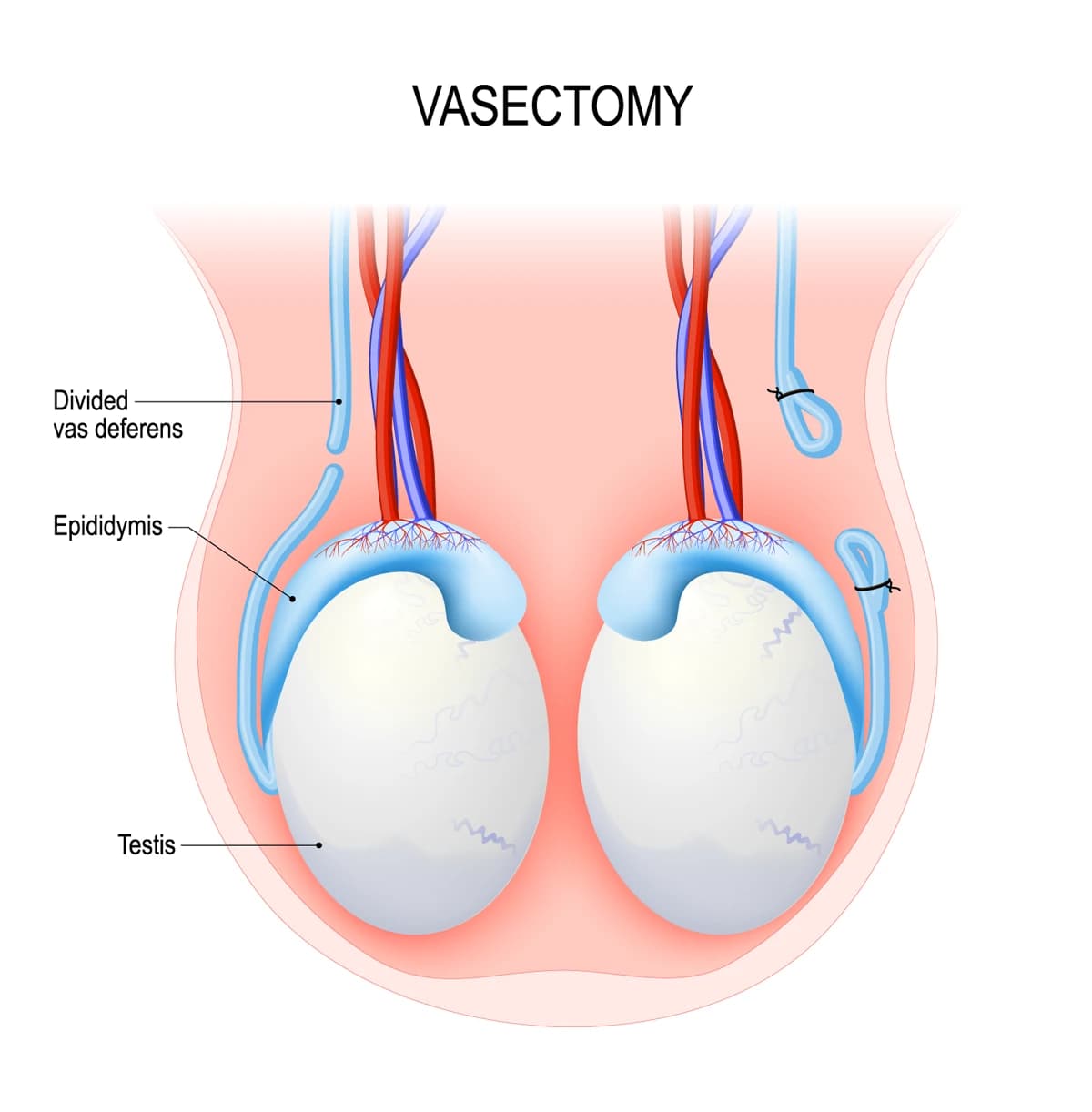
During a vasectomy, a surgeon cuts, ties, or seals the vas deferens — the two tubes that carry sperm from the testicles to the urethra. The procedure typically takes 15–30 minutes and is performed under local anaesthesia, meaning you remain awake but the scrotal area is numbed. Most men go home the same day.
Because the procedure involves small incisions or punctures in the scrotum and manipulation of internal tissue, a degree of post-procedural discomfort is entirely expected. Knowing the difference between normal healing and a potential complication is the key to a smooth recovery.
According to the National Institute of Diabetes and Digestive and Kidney Diseases (NIDDK), vasectomy is considered a very safe procedure with a low risk of serious complications, though mild side effects during recovery are common.
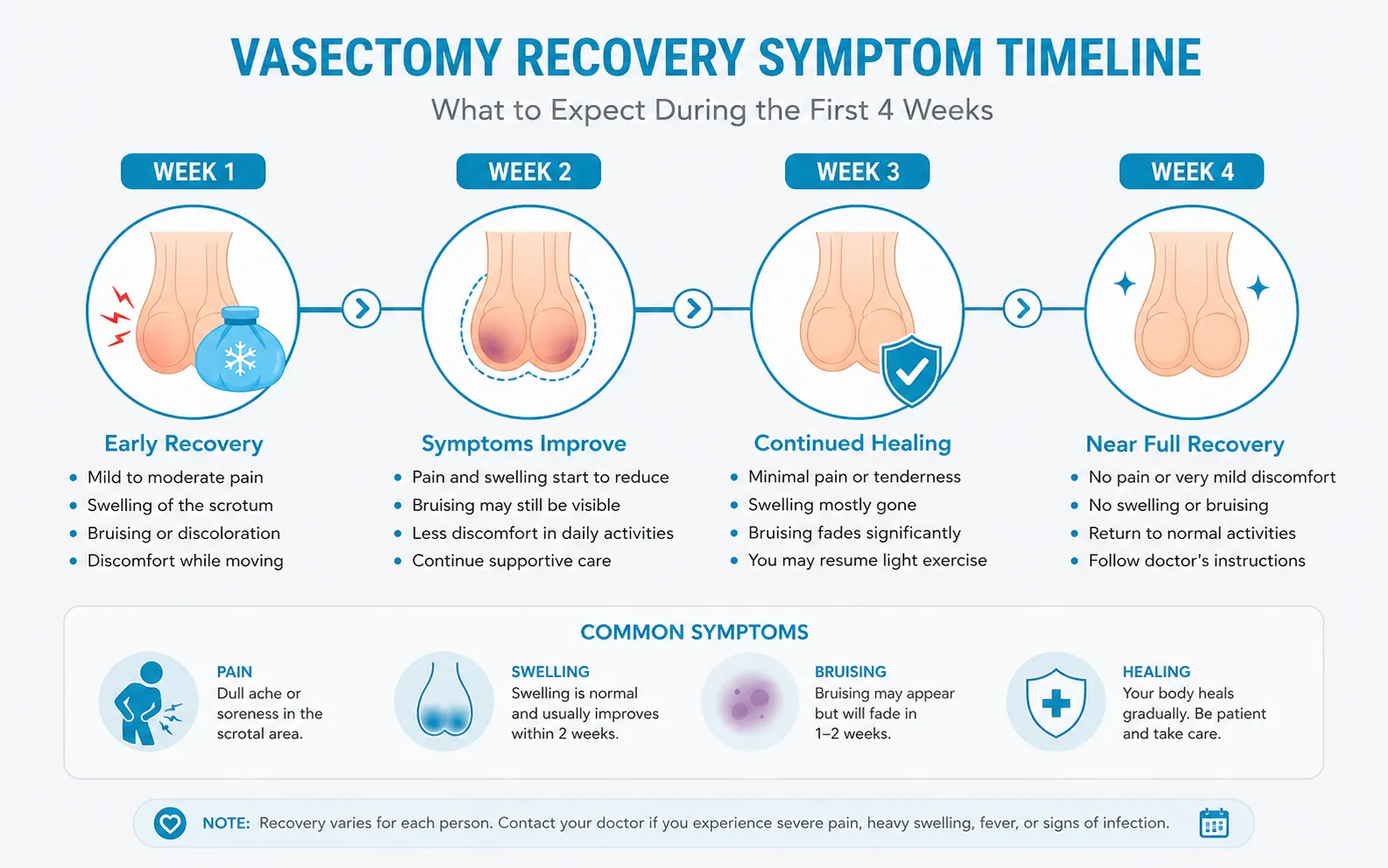
The immediate post-operative period is when symptoms tend to be most noticeable. The following are considered normal and expected during this window:
Mild to moderate scrotal pain or aching: A dull ache or throbbing sensation in the scrotum is very common. This is the body's natural response to tissue manipulation and minor surgical trauma.
Swelling of the scrotum: Some degree of swelling is expected. The scrotal skin may appear puffy or feel tight. This usually peaks within the first 48 hours and then gradually subsides.
Bruising (ecchymosis): Discolouration ranging from light pink to purple or yellow-green is normal as small blood vessels near the incision site heal. Bruising typically fades within 7–10 days.
Tenderness to touch: The area around the incision or puncture site will be sensitive. Avoid pressing or rubbing the area unnecessarily.
Minor bleeding or discharge at the incision site: A small amount of blood-tinged fluid from the wound is not unusual in the first day or two.
Most men manage these symptoms effectively with over-the-counter pain relief (as directed by their doctor), supportive underwear, ice packs applied intermittently, and rest. Avoiding strenuous activity for at least 48–72 hours is strongly advised.
As the first week progresses, most acute symptoms begin to ease. However, several sensations may persist or appear for the first time during this phase:
Residual aching or heaviness: A low-grade ache or feeling of heaviness in the scrotum or groin can continue for up to two weeks. This is generally a sign of ongoing tissue healing rather than a complication.
Itching around the incision: As the skin heals, itching is a normal part of the process. Resist the urge to scratch, and keep the area clean and dry.
Small lump or firmness near the vas deferens: Some men notice a small, firm nodule near the surgical site. This is often a sperm granuloma — a benign inflammatory reaction to sperm that may leak from the cut end of the vas deferens. It usually resolves on its own.
Intermittent sharp or shooting pain: Occasional brief sharp sensations in the testicle or groin can occur as nerves in the area recover. These are typically fleeting and not a cause for concern if they are infrequent.
Mild fatigue: The body expends energy on healing. Feeling slightly more tired than usual in the first week is not unusual.
Most men are able to return to desk-based work within 2–3 days and resume light physical activity within a week, though this varies by individual. Heavy lifting, vigorous exercise, and sexual activity are typically advised against for at least one week — always follow your surgeon's specific guidance.
For the majority of men, recovery is complete within two to four weeks. However, a small proportion may experience symptoms that persist beyond this window:
Post-vasectomy pain syndrome (PVPS): A small number of men — estimated at 1–2% — develop chronic scrotal or testicular discomfort lasting more than three months after the procedure. The pain may be constant or intermittent and can range from mild to significantly disruptive. The exact cause is not fully understood, but it may involve nerve sensitivity, congestion of the epididymis, or sperm granuloma formation. If you experience persistent pain, it is important to discuss this with a urologist.
Epididymal congestion: Because sperm continues to be produced after a vasectomy but can no longer travel through the vas deferens, the epididymis (the coiled tube behind each testicle) may become congested. This can cause a dull ache or pressure sensation, particularly after sexual arousal. It often resolves as the body adapts.
Psychological adjustment: While vasectomy does not affect hormone levels, libido, or sexual function, some men experience temporary anxiety or emotional adjustment in the weeks following the procedure — particularly if the decision felt rushed or if they are processing the permanence of the choice. Speaking with a mental health professional can be helpful in such cases.
It is worth noting that vasectomy does not affect testosterone production, sexual drive, or the ability to achieve or maintain an erection. Ejaculation remains unchanged in appearance and volume, as sperm accounts for only a very small fraction of semen.
While most post-vasectomy symptoms are benign, certain signs indicate that something may need prompt medical evaluation. Contact your doctor or visit a clinic if you notice any of the following:
Fever above 38°C (100.4°F): This may indicate an infection at the surgical site or internally.
Significant or worsening swelling: While mild swelling is normal, rapidly increasing swelling — particularly if one side of the scrotum becomes noticeably larger — warrants evaluation. This could indicate a haematoma (collection of blood).
Pus or unusual discharge from the incision: Any thick, discoloured, or foul-smelling discharge suggests possible infection.
Severe or escalating pain: Pain that is getting worse rather than better after the first 48 hours, or pain that is not controlled by standard pain relief, should be assessed.
Redness, warmth, or hardness spreading around the wound: These are classic signs of localised infection or cellulitis.
Difficulty urinating: Though uncommon after vasectomy, any urinary symptoms should be reported.
Persistent bleeding: Bleeding that does not stop with gentle pressure or that soaks through dressings requires attention.
Early intervention for complications such as infection or haematoma is important to prevent further issues. Do not hesitate to seek care if something does not feel right — it is always better to have a symptom assessed and found to be normal than to wait and allow a treatable problem to worsen.
A vasectomy is not immediately effective. Sperm that were already present in the reproductive tract before the procedure can remain viable for weeks. Most urologists recommend a follow-up semen analysis — typically at 8–12 weeks post-procedure or after approximately 20 ejaculations — to confirm that no sperm are present in the ejaculate.
Until a semen analysis confirms the absence of sperm (azoospermia), contraception must continue to be used. This is a critical point that is sometimes overlooked during recovery.
According to the World Health Organization, vasectomy has a failure rate of less than 1% when confirmed by post-procedure semen analysis, making it one of the most effective forms of contraception available.
While vasectomy recovery is primarily a surgical matter, overall health and lifestyle habits play a meaningful role in how quickly and comfortably the body heals. Adequate rest, good nutrition, hydration, and stress management all support the body's natural repair processes.
At Profrea, our experienced wellness practitioners take a personalised approach to men's health and recovery support. Whether you are navigating post-procedural recovery or looking to build sustainable healthy habits, our team offers comprehensive consultations that address diet, lifestyle, and natural wellness strategies tailored to your individual needs and goals.
Our nutrition and dietetics specialists can help you optimise your diet during recovery — ensuring adequate protein, vitamins, and anti-inflammatory foods that support tissue healing. Meanwhile, our physiotherapy team can advise on when and how to safely return to physical activity without risking complications.
If you are experiencing anxiety or emotional adjustment following your procedure, speaking with one of our psychology and mental wellness specialists can provide valuable support. A holistic approach to recovery recognises that physical and emotional wellbeing are deeply interconnected.
Profrea operates across 7 clinic locations in Gurugram, with both in-clinic and video consultation options available — making it straightforward to access professional guidance at a time and place that suits you. You can also connect with our team through the Profrea health screening portal to get a comprehensive picture of your overall health.
Most men experience mild to moderate discomfort for 2–7 days after the procedure. A dull ache or heaviness may persist for up to two weeks. If pain is worsening after 48 hours or is not responding to standard pain relief, consult your doctor.
Yes. Mild to moderate scrotal swelling is a normal part of the healing process and typically peaks within 48 hours before gradually resolving. Applying an ice pack (wrapped in a cloth) for 20 minutes at a time during the first 24–48 hours can help reduce swelling. Significant or rapidly worsening swelling should be evaluated by a doctor.
Most men with desk-based jobs can return to work within 2–3 days. Those with physically demanding roles — involving heavy lifting, prolonged standing, or strenuous activity — may need to wait 5–7 days or longer. Always follow your surgeon's specific advice.
No. A vasectomy does not affect the testes' ability to produce testosterone, and it has no direct effect on libido or sexual function. Hormone levels, erection quality, and ejaculation remain unchanged. Any perceived changes in the short term are more likely related to post-procedural discomfort or psychological adjustment.
Post-vasectomy pain syndrome (PVPS) refers to chronic scrotal or testicular discomfort lasting more than three months after a vasectomy. It affects a small minority of men (estimated 1–2%) and can range from mild to significant. If you experience persistent pain, a urologist can evaluate the cause and discuss management options, which may include medication, physiotherapy, or in some cases further surgical intervention.
A follow-up semen analysis — usually at 8–12 weeks post-procedure — is the only reliable way to confirm that no sperm are present in the ejaculate. Until this test confirms azoospermia, you should continue using contraception. Do not assume the vasectomy is effective based on the absence of symptoms alone.
Signs of infection include fever above 38°C, increasing redness or warmth around the incision, pus or unusual discharge, and worsening pain. If you notice any of these symptoms, seek medical attention promptly. Infections after vasectomy are uncommon but treatable when caught early.
Profrea's experienced wellness team across Gurugram is here to support your health journey — from post-procedural recovery to long-term preventive wellness.