
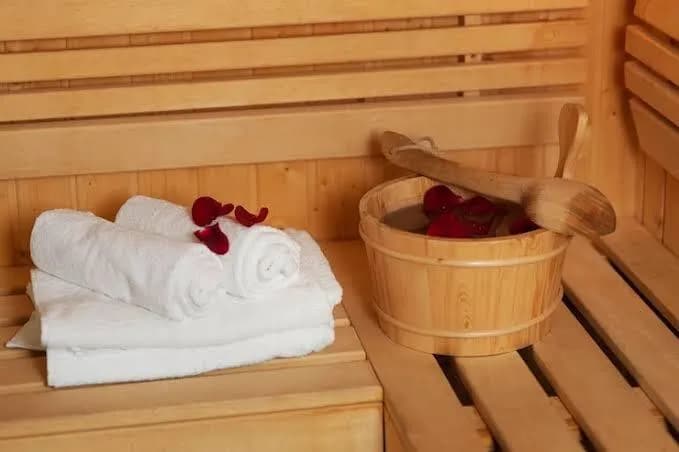
A clinically grounded look at therapeutic steam baths — one of naturopathy's most time-tested tools for detoxification, circulation, and whole-body wellness.
By Profrea· Published July 2026
A steam bath — sometimes called a steam room or vapour bath — is a hydrotherapy technique in which the body is exposed to warm, moist steam in a controlled enclosure, typically at temperatures between 40 °C and 50 °C with near-100 % relative humidity. Unlike a dry sauna, which relies on radiant heat, a steam bath uses saturated water vapour to transfer heat gently and evenly across the skin's surface.
In classical naturopathy, steam baths are classified under hydrotherapy — the therapeutic use of water in its various forms. Practitioners have used steam as a healing medium for centuries, drawing on traditions from ancient Rome, Ottoman hammams, and Ayurvedic swedana therapy. Modern naturopathic medicine has refined these practices into structured protocols that complement conventional care.
At Profrea's naturopathy clinics in Gurugram, steam bath therapy is offered as part of a broader, doctor-supervised wellness plan — not as a standalone spa service. This distinction matters enormously for patient safety and therapeutic outcomes.
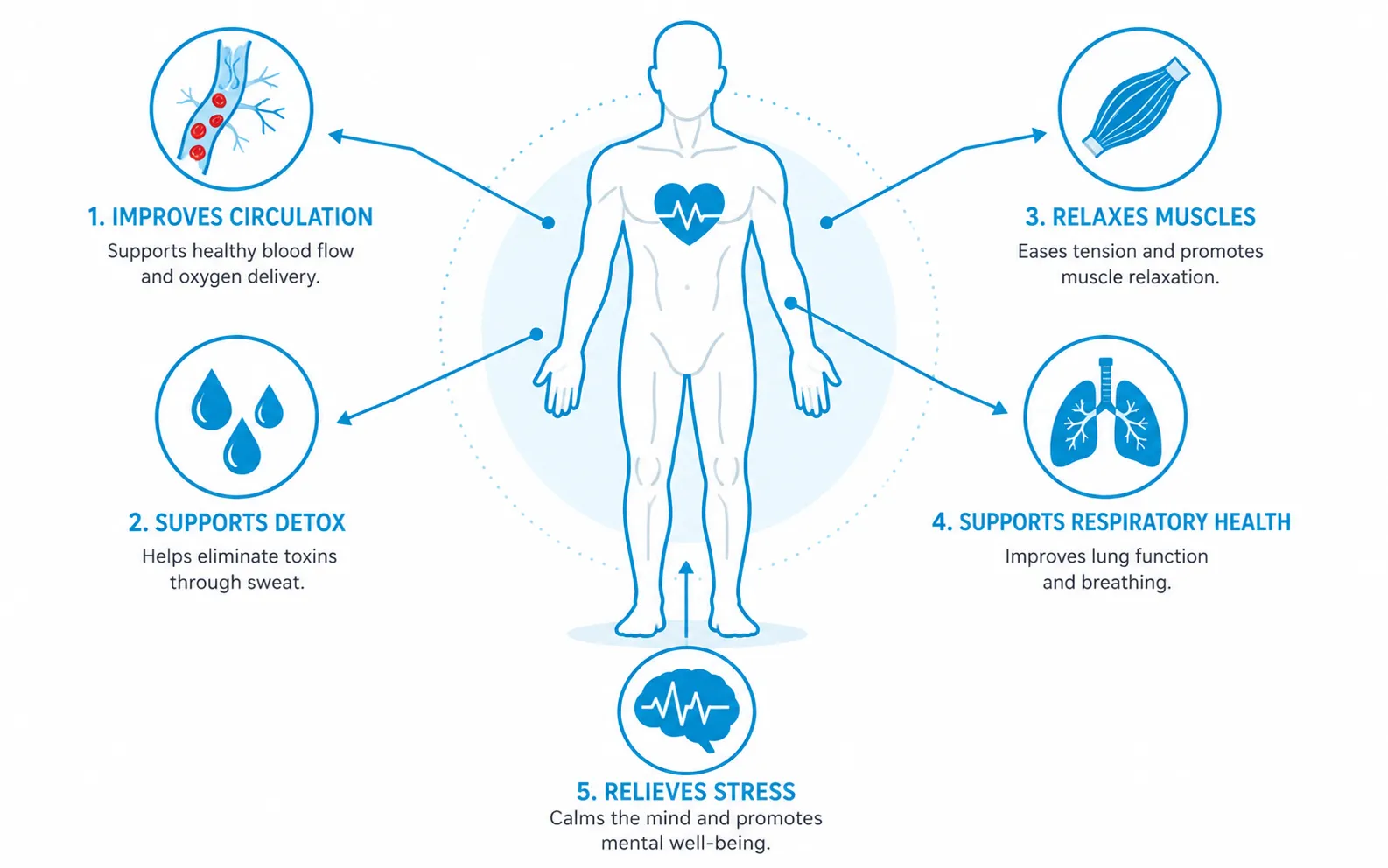
Understanding why steam baths work requires a brief look at what happens inside the body when it encounters sustained moist heat.
Heat causes peripheral blood vessels to dilate, increasing blood flow to the skin and muscles. This vasodilation can temporarily lower blood pressure and improve the delivery of oxygen and nutrients to tissues. Research published on PubMed (NIH) has demonstrated that repeated sauna and steam exposure is associated with measurable improvements in endothelial function, a key marker of cardiovascular health.
As core body temperature rises, the eccrine sweat glands activate to cool the body. This sweating process flushes the skin's surface of accumulated sebum, dead cells, and environmental pollutants. While the liver and kidneys remain the body's primary detox organs, sweating provides a meaningful secondary pathway — particularly relevant for urban residents in Gurugram, where air quality can add to the body's daily toxic load.
Moist heat penetrates muscle tissue more effectively than dry heat at equivalent temperatures. This reduces muscle spasm, eases myofascial tension, and can provide meaningful relief for conditions such as lower-back stiffness, fibromyalgia, and post-exercise soreness. Naturopathic practitioners often recommend steam baths as a preparatory step before physiotherapy or manual therapy sessions — a sequencing approach that Profrea's multi-specialty model facilitates naturally, given that physiotherapy specialists and naturopathy practitioners work within the same clinic network.
Inhaling warm, humidified air helps loosen mucus in the airways, soothe inflamed nasal passages, and ease breathing in individuals with mild respiratory congestion. Naturopathic protocols sometimes add medicinal herbs such as eucalyptus or tulsi to the steam to enhance this effect. It is important to note, however, that steam baths are a supportive measure — not a treatment for diagnosed respiratory conditions — and should always be used under clinical guidance.
Heat exposure triggers the release of endorphins and promotes parasympathetic nervous system activity — the body's "rest and digest" state. Regular steam bath sessions are therefore used in naturopathy as an adjunct to stress management programmes, complementing counselling, mindfulness, and nutritional interventions. Profrea's integrated approach means patients can access psychology and mental wellness support alongside naturopathic therapies within the same care ecosystem.
In naturopathic practice, no single therapy is used in isolation. A steam bath is typically one component of a structured wellness protocol that may include dietary modification, herbal medicine, yoga, and other hydrotherapy techniques. Here is how a typical naturopathy steam bath protocol is structured at a clinical level:
Initial assessment: A naturopathic physician evaluates the patient's constitution, current health status, contraindications, and wellness goals before prescribing steam therapy.
Pre-session preparation: The patient is advised to hydrate adequately and avoid heavy meals for at least two hours before the session.
Session duration: Clinical sessions typically last 10–20 minutes, depending on the patient's tolerance and therapeutic objective. First-time patients usually begin with shorter durations.
Post-session care: A cool or lukewarm shower follows the steam bath to close pores and stabilise body temperature. Rest is recommended for 15–30 minutes.
Frequency: Most naturopathic protocols prescribe 2–4 sessions per week over a defined treatment cycle, with periodic reassessment.
Integration: Steam sessions are often scheduled before physiotherapy, yoga, or nutritional counselling to maximise the synergistic benefit.
Profrea's nutrition and dietetics specialists frequently collaborate with naturopathy practitioners to design complementary dietary plans that support the detoxification goals of steam therapy — a genuinely integrated care model that distinguishes clinical naturopathy from generic wellness offerings.
When administered correctly and as part of a supervised naturopathic plan, steam bath therapy offers the following evidence-informed benefits:
Skin health: Deep cleansing of pores, improved skin hydration, and enhanced complexion through increased dermal blood flow.
Musculoskeletal relief: Reduction in muscle stiffness, joint discomfort, and post-exercise delayed-onset muscle soreness (DOMS).
Cardiovascular conditioning: Mild cardiac conditioning effect through repeated vasodilation cycles, comparable in some studies to moderate-intensity exercise.
Immune support: Elevated core body temperature may transiently stimulate immune cell activity, mimicking the body's natural fever response.
Respiratory ease: Temporary relief from nasal congestion, sinusitis symptoms, and airway dryness.
Stress and anxiety reduction: Measurable decrease in cortisol levels and subjective stress scores following regular heat therapy sessions.
Sleep quality: Post-session body temperature drop can facilitate deeper, more restorative sleep.
Steam bath therapy is safe for most healthy adults when administered under professional supervision, but it is not appropriate for everyone. A qualified naturopathic physician will screen for the following contraindications before recommending steam therapy:
Uncontrolled hypertension or a history of heart disease
Pregnancy (particularly the first trimester)
Active skin infections, open wounds, or severe eczema
Epilepsy or a history of heat-induced seizures
Severe anaemia or haemophilia
Acute fever or active systemic infection
Claustrophobia or severe anxiety disorders (unless cleared by a mental health professional)
Recent surgery or acute musculoskeletal injury with active inflammation
This is precisely why self-administered steam therapy — whether at home or in an unsupervised spa setting — carries risks that a clinically managed session does not. At Profrea, every naturopathy patient undergoes a structured intake assessment before any hydrotherapy is prescribed. If you have a complex medical history, our general medicine specialists can provide medical clearance as part of an integrated consultation.
Patients in Gurugram frequently ask whether a steam bath and a sauna are interchangeable. They are not, and the distinction has clinical relevance:
| Feature | Steam Bath | Dry Sauna |
|---|---|---|
| Humidity | ~100 % (saturated) | 10–20 % |
| Temperature | 40–50 °C | 70–100 °C |
| Heat transfer | Moist convection | Dry radiant heat |
| Respiratory effect | Humidifies airways | Can dry airways |
| Skin effect | Deep pore cleansing | Surface sweat |
| Naturopathic use | Hydrotherapy, detox, respiratory | Cardiovascular conditioning, relaxation |
In naturopathic practice, steam baths are generally preferred for patients with respiratory concerns, sensitive skin, or those who find very high temperatures difficult to tolerate. Your naturopathic physician will recommend the most appropriate modality based on your individual profile.
Gurugram's fast-paced corporate lifestyle — long commutes, sedentary desk work, high stress, and exposure to urban pollution — creates a population that is particularly well-suited to benefit from regular naturopathic detox therapies. Steam bath therapy addresses several of the most common health concerns seen in the city's working population: chronic stress, musculoskeletal tension from prolonged sitting, skin dullness from pollution, and disrupted sleep.
Profrea operates 7 clinic locations across Gurugram, each equipped with in-clinic consultation rooms and day-care facilities. Patients can book naturopathy consultations in person or via video consultation for an initial assessment, making access to expert-guided steam therapy genuinely convenient — even for those with demanding work schedules. The Profrea mobile app and membership portal further simplify appointment scheduling and care plan tracking.
Because Profrea is a multi-specialty network, patients who present with conditions that require co-management — for example, a patient seeking steam therapy for stress who also has a gynaecological concern — can be referred seamlessly to gynaecology specialists or other relevant clinicians within the same ecosystem, without the friction of navigating multiple providers.
The greatest clinical value of steam bath therapy emerges when it is integrated with complementary naturopathic modalities. Common combinations include:
Steam bath + dietary detox: A supervised elimination diet or anti-inflammatory nutrition plan amplifies the detoxification effect of regular steam sessions. Profrea's dietetics team can design a personalised plan to complement your hydrotherapy schedule.
Steam bath + physiotherapy: Pre-session steam loosens muscles and connective tissue, making subsequent manual therapy or exercise rehabilitation more effective and comfortable.
Steam bath + yoga/meditation: The parasympathetic activation from steam therapy creates an ideal physiological state for mindfulness practices, deepening the stress-reduction benefit.
Steam bath + herbal medicine: Naturopathic physicians may recommend specific herbal formulations — taken internally or added to the steam — to target conditions such as chronic sinusitis, skin disorders, or metabolic sluggishness.
This integrative philosophy — treating the whole person rather than isolated symptoms — is the defining principle of naturopathic medicine and the foundation on which Profrea's wellness programmes are built.
Clinical naturopathic sessions typically range from 10 to 20 minutes. Beginners should start at the lower end and gradually increase duration under practitioner guidance. Sessions exceeding 20 minutes without supervision are generally not recommended, as they increase the risk of dehydration and heat exhaustion.
Most naturopathic protocols prescribe 2–4 sessions per week during an active treatment cycle, which typically lasts 4–8 weeks. The frequency is then reassessed based on the patient's response and therapeutic goals. Your naturopathic physician will determine the right schedule for your specific needs.
Steam baths cause temporary water weight loss through sweating, which is quickly restored with rehydration. They are not a direct fat-loss intervention. However, as part of a comprehensive naturopathic programme that includes dietary guidance and physical activity, steam therapy can support metabolic health and complement a sustainable weight management plan.
This varies by individual. Some naturopathic practitioners advise avoiding steam baths during the first two days of heavy flow, as heat can increase vasodilation and potentially worsen cramping or bleeding in some women. Always consult your naturopathic physician or gynaecologist for personalised guidance.
Follow the session with a cool or lukewarm shower to close pores and normalise body temperature. Drink at least 500 ml of water or an electrolyte-rich fluid to replace what was lost through sweating. Rest for 15–30 minutes before resuming normal activity. Avoid alcohol, caffeine, and strenuous exercise immediately after a session.
Uncontrolled hypertension is a contraindication for steam bath therapy. If your blood pressure is well-managed with medication and your physician has cleared you for mild heat exposure, supervised steam sessions at lower temperatures may be considered. Always disclose your full medical history during your naturopathic intake assessment. Profrea's general medicine doctors can provide the necessary medical clearance as part of a coordinated care plan.
If you are curious about how a supervised steam bath programme could fit into your wellness journey, Profrea's naturopathy team across 7 Gurugram clinics is ready to guide you — from initial assessment to a personalised, integrated care plan.