
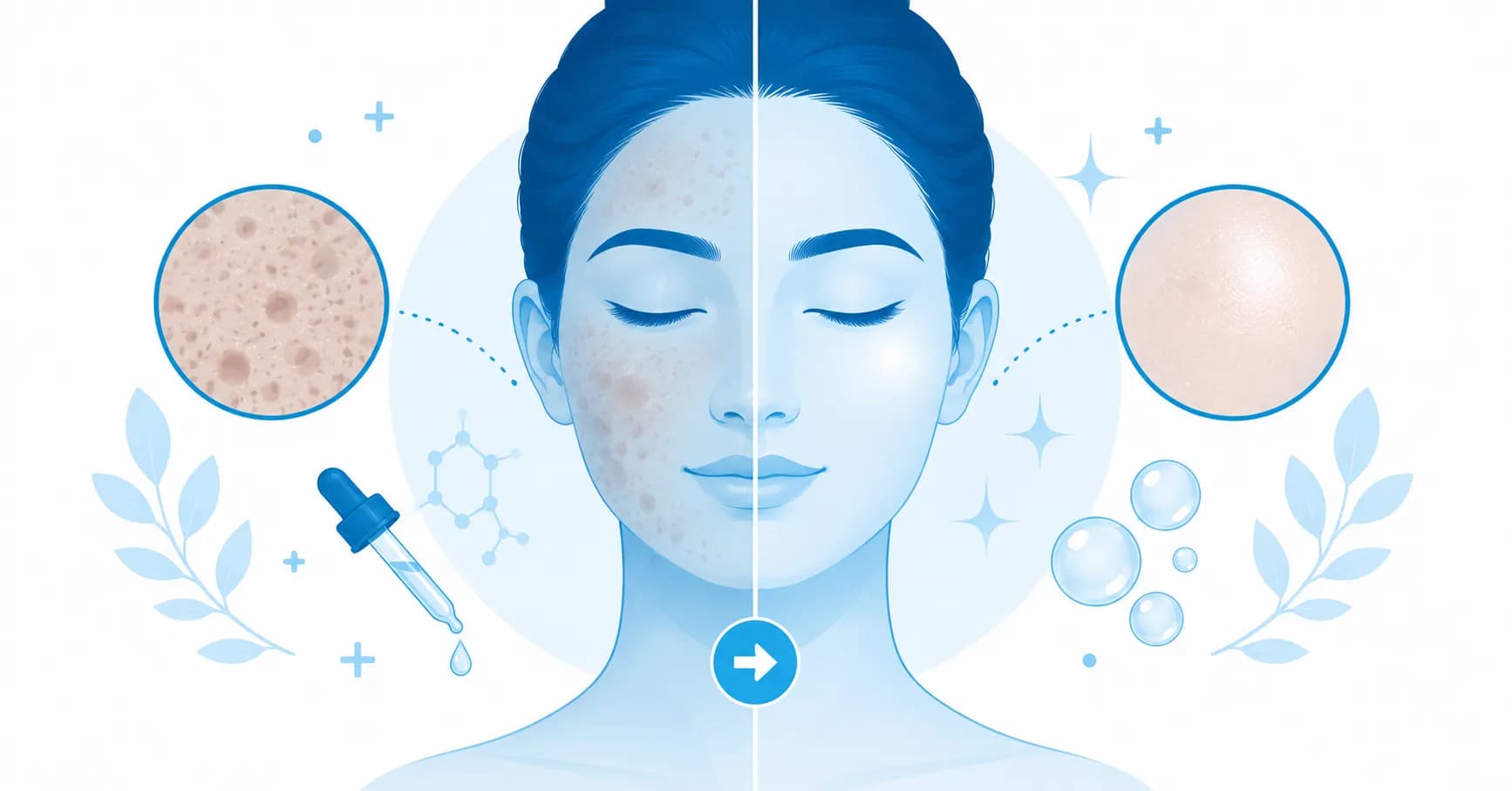
A clinically grounded guide to understanding skin pigmentation — and what modern aesthetic medicine in Gurugram can do about it.
By the Profrea Editorial Team · Published July 2026
Walk into any dermatology or aesthetic clinic in Gurugram and you will find that uneven skin tone, dark patches, and stubborn melasma rank among the top three reasons patients seek a consultation. The combination of intense UV exposure, high pollution levels, hormonal fluctuations, and chronic stress creates a near-perfect environment for excess melanin production — the biological root of most pigmentation problems.
According to the Indian Journal of Dermatology (NIH/PubMed), melasma alone affects an estimated 15–35% of women in South Asian populations, with prevalence rising in urban, high-UV environments. Understanding what type of pigmentation you have is the essential first step before choosing any treatment.
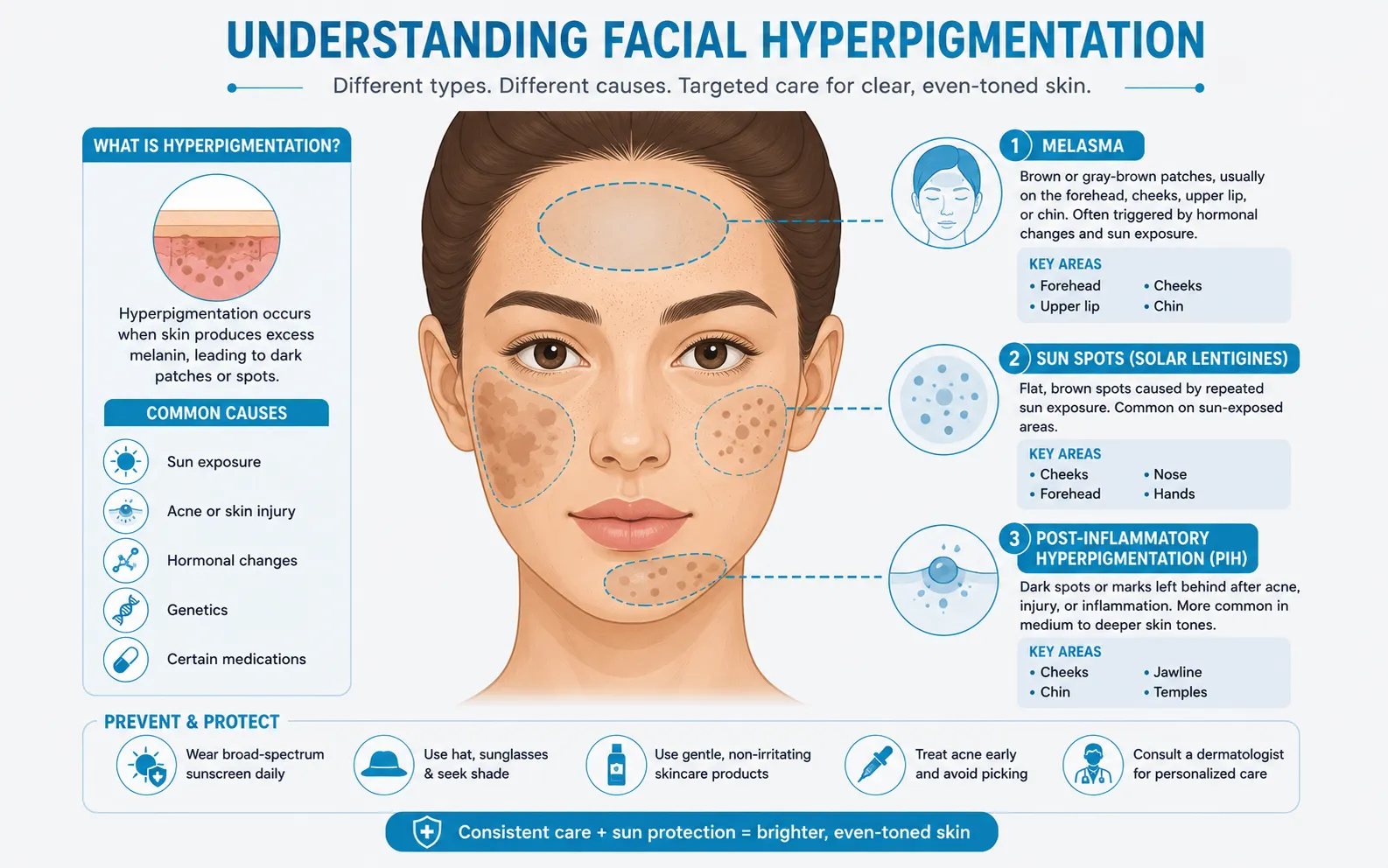
Skin colour is determined by melanin, a pigment produced by specialised cells called melanocytes. When these cells are over-stimulated — by UV rays, inflammation, hormones, or injury — they produce more melanin than surrounding tissue, creating visible dark areas. The most common triggers include:
Sun exposure (UV radiation): The single biggest driver of solar lentigines (sun spots) and worsening of existing melasma.
Hormonal changes: Pregnancy, oral contraceptives, and thyroid imbalances can trigger chloasma or melasma — often called the "mask of pregnancy."
Post-inflammatory hyperpigmentation (PIH): Acne, eczema, or any skin injury can leave dark marks as the skin heals.
Pollution and oxidative stress: Particulate matter in Delhi-NCR air accelerates free-radical damage, degrading the skin barrier and stimulating melanin.
Certain medications: Antibiotics, antimalarials, and some blood-pressure drugs can cause drug-induced pigmentation.
Genetics: Fitzpatrick skin types III–V (common in Indian populations) are inherently more prone to post-inflammatory darkening.
Identifying the root cause matters because treatments that work for sun spots may actually worsen hormonally driven melasma if not chosen carefully.
The terms are often used interchangeably, but there is a clinical distinction worth knowing. Pigmentation is the broad category — any change in skin colour, including both darkening (hyperpigmentation) and lightening (hypopigmentation, as seen in vitiligo). Hyperpigmentation specifically refers to areas that are darker than the surrounding skin due to excess melanin.
Most patients seeking treatment in Gurgaon are dealing with hyperpigmentation in one of these forms:
Melasma — symmetrical brown or grey-brown patches, typically on cheeks, forehead, and upper lip.
Solar lentigines (sun spots / age spots) — flat, well-defined brown marks from cumulative UV damage.
Post-inflammatory hyperpigmentation (PIH) — dark marks left after acne, rashes, or skin trauma.
Periorbital hyperpigmentation — dark circles under the eyes, often multifactorial.
Freckles (ephelides) — small, flat, genetically determined spots that darken with sun exposure.
Effective pigmentation removal in Gurgaon today combines topical therapies, energy-based devices, and skin-brightening procedures. Here is an evidence-informed overview of the main options:
A photofacial uses broad-spectrum light pulses to target melanin clusters in the skin. The light energy is absorbed by the pigmented cells, which then break down and are cleared by the body's natural processes. IPL is particularly effective for solar lentigines, freckles, and mild-to-moderate PIH. Most patients see visible lightening after 3–5 sessions spaced 3–4 weeks apart. Downtime is minimal — some redness and temporary darkening of treated spots (a sign the treatment is working) for 5–7 days.
Is photofacial effective for melasma? IPL can improve melasma, but it requires careful settings and an experienced practitioner. Aggressive parameters on darker skin tones can paradoxically worsen melasma — which is why choosing a qualified clinic matters enormously.
Inspired by the K-beauty philosophy of achieving a translucent, luminous complexion, the Korean Glass Skin protocol at Profrea combines deep hydration infusions, brightening actives (such as niacinamide, tranexamic acid, and vitamin C derivatives), and gentle exfoliation to address uneven tone and dullness. It is particularly suited to patients with mild pigmentation, dehydrated skin, or those who want a non-ablative, zero-downtime option. Results are cumulative — most patients complete 4–6 sessions for optimal brightness.
Glycolic acid, salicylic acid, lactic acid, and TCA peels accelerate cell turnover, shedding the pigmented outer layers and revealing fresher skin beneath. Superficial peels are safe for most skin types and require little downtime; medium-depth peels offer more dramatic results but need 5–7 days of recovery. A series of 4–6 peels is typically recommended for melasma and PIH.
Low-fluence Q-switched laser toning is the gold-standard approach for melasma in darker skin tones. It selectively fragments melanin granules without causing thermal injury to surrounding tissue. Multiple sessions (typically 8–10) are needed, and maintenance is important because melasma is a chronic condition.
Prescription-strength hydroquinone, azelaic acid, kojic acid, retinoids, and tranexamic acid remain the backbone of any pigmentation management plan. These are usually combined with in-clinic procedures for synergistic results and are prescribed and monitored by a qualified physician.
This is one of the most common questions patients ask, and the honest answer is: it depends on the type and depth of pigmentation, your skin tone, and the treatment chosen. As a general guide:
Photofacial for sun spots: 3–5 sessions, results visible from session 2.
Korean Glass Skin for dullness and mild tone unevenness: 4–6 sessions, with a visible glow after the first 1–2.
Chemical peels for PIH: 4–6 sessions, 2–4 weeks apart.
Laser toning for melasma: 8–12 sessions, with ongoing maintenance every 4–8 weeks.
Consistency with sun protection (SPF 50+ daily, reapplied every 2 hours) is non-negotiable — without it, any treatment result will be short-lived.
Profrea operates across 7 clinic locations in Gurugram, offering both in-clinic and video consultations — making it straightforward to get a professional assessment without a long commute. The network's aesthetic and general medicine specialists take a structured approach:
Skin assessment: Visual examination and, where indicated, Wood's lamp analysis to determine whether pigmentation is epidermal, dermal, or mixed — a distinction that directly influences treatment choice.
Medical history review: Hormonal status, medications, sun habits, and prior treatments are all documented. Profrea's Dr. Ladli Chatterjee, a General Physician and Diabetologist with an MD and Fellowship in Diabetes from the Royal Liverpool Academy, UK, is available for patients where systemic factors (such as thyroid or metabolic conditions) may be contributing to skin changes.
Personalised treatment plan: A combination protocol is designed — for example, laser toning plus topical tranexamic acid plus monthly peels — rather than a one-size-fits-all approach.
Progress tracking: Standardised photography at each visit allows objective comparison so both patient and clinician can assess response.
For patients with concurrent skin and psychological concerns — such as anxiety related to visible pigmentation affecting confidence — Profrea's Dr. Sarika Thakral, a Consultant Clinical Psychologist with 15+ years of experience and certifications in NLP and EFT/TFT, is part of the multidisciplinary team.
Melasma in women of reproductive age is frequently hormone-driven. Oestrogen and progesterone stimulate melanocytes, which is why melasma often appears or worsens during pregnancy, while on the pill, or around perimenopause. Addressing the hormonal root cause — in collaboration with a gynaecologist or endocrinologist — can significantly improve treatment outcomes and reduce recurrence.
Profrea's gynaecology and obstetrics team, including Dr. Soma Kumari (DNB in Obstetrics & Gynecology, Fellowship in ART), can evaluate hormonal contributors as part of a holistic care plan — a level of integrated care that is rarely available under one roof.
Diet is an underappreciated factor in skin health. Deficiencies in vitamin B12, folate, and iron can cause diffuse hyperpigmentation. Antioxidant-rich foods — berries, leafy greens, tomatoes — help neutralise the oxidative stress that accelerates melanin production. Conversely, high-glycaemic diets and excess sugar promote inflammation that worsens PIH.
Profrea's nutrition and dietetics team — including Dt. Swagata Pahari — can help patients build a skin-supportive eating plan alongside their aesthetic treatment programme.
Dark patches are caused by excess melanin production, triggered by UV exposure, hormonal changes (such as pregnancy or the contraceptive pill), post-acne inflammation, certain medications, and genetic predisposition. Pollution in cities like Gurugram adds an additional oxidative burden that accelerates pigmentation.
Photofacial (IPL) is highly effective for sun spots and freckles. For melasma, it can help but requires careful calibration — overly aggressive settings on darker Indian skin tones can worsen melasma. Laser toning (Q-switched Nd:YAG) is generally preferred for melasma in South Asian patients. A qualified practitioner will assess your skin type before recommending the right modality.
It varies by treatment and pigmentation type. Photofacial for sun spots typically shows results after 3–5 sessions. Chemical peels for PIH require 4–6 sessions. Laser toning for melasma usually needs 8–12 sessions with ongoing maintenance. Most patients notice some improvement after the first 2 sessions regardless of modality.
Pigmentation is the broad term for any change in skin colour — including both darkening and lightening. Hyperpigmentation specifically refers to areas that are darker than the surrounding skin due to excess melanin. Most patients seeking treatment are dealing with hyperpigmentation in the form of melasma, sun spots, or post-acne marks.
The best clinic is one that offers a proper skin assessment, identifies the type and depth of your pigmentation, and designs a personalised combination protocol rather than a generic package. Profrea's multi-specialty network across 7 Gurugram locations provides access to aesthetic, medical, gynaecological, and nutritional expertise — all relevant to comprehensive pigmentation management. You can also book a health screening at Profrea to rule out systemic contributors before starting treatment.
Yes — especially melasma, which is a chronic condition. Recurrence is common without ongoing sun protection and maintenance treatments. Daily SPF 50+, avoiding peak UV hours, and periodic maintenance sessions (every 4–8 weeks for laser toning) are essential to sustaining results.
Profrea's aesthetic and medical specialists across Gurugram offer personalised pigmentation assessments — in-clinic or via video consultation.