
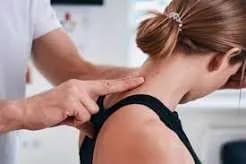
A clinically grounded guide to hands-on physiotherapy for pain relief, stiffness, and musculoskeletal rehabilitation in Gurugram.
By the Profrea Clinical Team · Published July 2026
Manual therapy is a specialised, hands-on branch of physiotherapy in which a trained clinician uses their hands — rather than machines or exercise alone — to assess and treat musculoskeletal problems. The therapist applies carefully graded forces to joints, muscles, and soft tissues to reduce pain, restore movement, and improve function.
Unlike passive treatments such as heat packs or ultrasound, manual therapy is an active clinical skill. The therapist continuously assesses the patient's response and adjusts the technique in real time, making each session genuinely personalised. It is commonly used alongside therapeutic exercise and patient education as part of a broader rehabilitation plan.
According to the World Health Organization, musculoskeletal conditions affect more than 1.71 billion people globally and are the leading cause of disability worldwide — making effective, accessible physiotherapy care more important than ever.
Physiotherapists draw on a toolkit of evidence-informed techniques. The choice depends on the patient's diagnosis, pain levels, tissue irritability, and rehabilitation goals.
Joint mobilisation involves applying slow, rhythmic, oscillatory movements to a stiff or painful joint within or at the limit of its available range. Graded from gentle (Grade I–II for pain relief) to firmer (Grade III–IV for stiffness), mobilisation is widely used for the spine, shoulder, hip, knee, and ankle. It stimulates mechanoreceptors, reduces pain signals, and encourages synovial fluid circulation within the joint capsule.
Manipulation (Grade V) is a high-velocity, low-amplitude thrust applied at the end of a joint's range. It is most commonly used for the cervical and lumbar spine and is performed only when clinically indicated and after thorough screening. The characteristic 'click' or 'pop' is caused by a pressure change within the joint — not bones cracking. Manipulation is not appropriate for everyone and is always preceded by a detailed assessment.
Soft tissue mobilisation targets muscles, tendons, ligaments, and fascia. Techniques include myofascial release, trigger point therapy, and deep transverse friction massage. STM reduces muscle guarding, breaks down adhesions, and improves local circulation — making it particularly useful after sports injuries, muscle strains, and post-surgical rehabilitation.
When nerves become sensitised or mechanically restricted — as in sciatica or carpal tunnel syndrome — neural mobilisation techniques gently move the nerve through its surrounding tissues. This reduces neural tension, improves nerve gliding, and can relieve radiating pain, tingling, and numbness.
MET uses the patient's own gentle muscle contractions, directed against a therapist-applied counterforce, to lengthen tight muscles and restore joint range of motion. It is particularly effective for pelvic asymmetry, hip flexor tightness, and thoracic stiffness.

Key manual therapy techniques and their primary targets in the musculoskeletal system.
Manual therapy is not a one-size-fits-all treatment, but research consistently supports its use across a broad range of musculoskeletal presentations. Conditions that commonly benefit include:
Back pain — acute lumbar muscle strain, chronic low back pain, disc-related pain, and facet joint dysfunction
Neck pain — cervicogenic headache, whiplash-associated disorder, and postural neck pain from prolonged desk work
Joint stiffness — frozen shoulder (adhesive capsulitis), stiff knee after surgery, and hip impingement
Sports injuries — ankle sprains, hamstring strains, rotator cuff tendinopathy, and IT band syndrome
Arthritis — osteoarthritis of the knee, hip, and hand joints, where mobilisation can reduce pain and improve function without aggravating the joint
Muscle pain and tightness — myofascial pain syndrome, tension headaches, and generalised muscle guarding
Post-surgical rehabilitation — scar tissue management and joint range restoration after orthopaedic procedures
A systematic review published on PubMed (NIH) found that spinal manipulative therapy and mobilisation produced clinically meaningful reductions in pain and disability for patients with acute and chronic low back pain, particularly when combined with exercise.
If you are experiencing any of the above, speaking with a qualified physiotherapist at Profrea can help determine whether manual therapy is appropriate for your specific situation.
Understanding what happens in a session helps patients feel confident and get more from their treatment. Here is a typical pathway at a physiotherapy clinic in Gurugram:
The physiotherapist takes a detailed history — onset, nature, and behaviour of symptoms, aggravating and relieving factors, relevant medical history, and your functional goals. This is followed by a physical examination including posture analysis, range of motion testing, palpation of joints and soft tissues, and neurological screening where indicated.
Based on the assessment, the therapist identifies the primary pain drivers and selects the most appropriate manual therapy techniques. They will explain the rationale, discuss expected outcomes, and outline a realistic treatment timeline. At Profrea, this consultation-led approach ensures that every care plan is built around the individual — not a generic protocol.
The hands-on component typically lasts 20–40 minutes within a session. The therapist applies the chosen techniques, monitors your response, and adjusts pressure, direction, and speed accordingly. Communication throughout is essential — you should always feel comfortable to report any discomfort.
Manual therapy works best when paired with targeted exercises that reinforce the gains made in the session. Your physiotherapist will prescribe a home exercise programme and advise on activity modification, ergonomics, and pain management strategies between appointments.
At regular intervals, the therapist reassesses your progress against the initial baseline. Treatment is modified as you improve, with the ultimate goal of restoring full function and equipping you with the tools to self-manage and prevent recurrence.
Patients often ask how manual therapy differs from other physiotherapy modalities. The key distinction is the direct, skilled physical contact between therapist and patient — something that electrotherapy machines, exercise programmes, or heat/ice alone cannot replicate.
| Approach | Primary Mechanism | Best For |
|---|---|---|
| Manual Therapy | Mechanical and neurophysiological | Joint stiffness, pain, restricted movement |
| Therapeutic Exercise | Muscle strengthening and motor control | Weakness, instability, long-term function |
| Electrotherapy (TENS, ultrasound) | Electrical or acoustic energy | Acute pain, tissue healing support |
| Heat / Cold Therapy | Thermal effects on circulation and pain | Symptom relief, preparation for exercise |
In practice, the most effective physiotherapy programmes combine manual therapy with exercise and education — a multimodal approach that addresses both the immediate pain and the underlying movement dysfunction. Profrea's physiotherapy team in Gurugram integrates these elements within every rehabilitation plan.
When performed by a qualified physiotherapist following a thorough assessment, manual therapy is considered safe for the vast majority of patients. Mild post-treatment soreness — similar to the feeling after a new exercise — is common and typically resolves within 24–48 hours.
Serious adverse events are rare. Contraindications include active fracture, bone tumour, severe osteoporosis, inflammatory arthritis in a flare, and certain vascular conditions — all of which are screened for during the initial assessment. Your physiotherapist will always explain the benefits and any relevant risks before beginning treatment.
The evidence base for manual therapy continues to grow. Clinical guidelines from major physiotherapy bodies support its use for spinal pain, shoulder conditions, and lower limb musculoskeletal disorders, particularly as part of a multimodal approach. Patients in Gurugram seeking expert physiotherapy assessment can be confident that Profrea clinicians apply techniques only where clinically justified.
Low back pain is one of the most common reasons people seek physiotherapy in Gurugram. Manual therapy — particularly lumbar mobilisation and manipulation — can provide rapid, meaningful pain relief in both acute and chronic presentations. When combined with core stabilisation exercises, it addresses not just the symptom but the underlying movement impairment.
Cervical mobilisation is highly effective for mechanical neck pain, cervicogenic headache, and the stiffness that builds up from prolonged screen use — a growing concern in Gurugram's corporate workforce. Gentle cervical techniques reduce muscle guarding and restore segmental mobility without the risks associated with high-velocity manipulation when used appropriately.
Contrary to a common misconception, gentle joint mobilisation is not harmful for arthritic joints. Research shows that manual therapy can reduce pain and improve function in knee and hip osteoarthritis, helping patients remain active and delay or avoid surgical intervention. Profrea's rehabilitation specialists tailor the intensity of treatment to each patient's joint health and tolerance.
Athletes and active individuals benefit from manual therapy's ability to accelerate tissue healing, restore joint mechanics, and address compensatory movement patterns that develop after injury. Whether you are recovering from an ankle sprain, a hamstring tear, or a shoulder dislocation, hands-on physiotherapy forms a critical part of the return-to-sport pathway.
Myofascial trigger points — localised areas of muscle hyperirritability — are a frequent source of referred pain and stiffness. Trigger point release and deep tissue techniques within a manual therapy session can provide significant relief, particularly for tension headaches, shoulder and upper back tightness, and calf or hamstring tightness in runners.
Gurugram has a growing number of physiotherapy clinics, but the quality of manual therapy depends heavily on the clinician's training, clinical reasoning skills, and commitment to evidence-based practice. When choosing a manual therapy clinic in Gurgaon, consider:
Clinician qualifications — look for BPT or MPT-qualified physiotherapists with post-graduate training in manual therapy or musculoskeletal physiotherapy
Assessment-first approach — a reputable clinic will always conduct a thorough assessment before beginning hands-on treatment
Personalised treatment plans — your programme should be tailored to your specific diagnosis and goals, not a generic package
Integration with exercise — manual therapy alone is rarely sufficient; look for clinics that combine it with therapeutic exercise and self-management education
Follow-up and progress monitoring — regular reassessment ensures treatment remains appropriate as you recover
Accessible locations — Profrea operates across 7 clinic locations in Gurugram, making it convenient to access consistent, high-quality physiotherapy care
This is one of the most common questions patients ask, and the honest answer is: it depends. Acute conditions — such as a recent muscle strain or a first episode of back pain — may respond within 3–6 sessions. Chronic or complex presentations, such as long-standing neck stiffness or post-surgical rehabilitation, typically require 8–12 sessions or more.
Your physiotherapist will give you a realistic estimate at your first appointment, based on your assessment findings and goals. Progress is reviewed regularly, and the plan is adjusted accordingly. Patients who actively engage with their home exercise programme and self-management advice consistently achieve better outcomes in fewer sessions.
At Profrea, rehabilitation sessions are structured to maximise each appointment — combining hands-on manual therapy with guided exercise and education so that every session moves you meaningfully forward. You can learn more about our rehabilitation approach at Profrea Gurugram or book an initial assessment at your nearest clinic.
Manual therapy should not be acutely painful during the session. Some techniques produce a sensation of pressure or mild discomfort, particularly when working on stiff joints or tight muscles, but this should always remain within a tolerable range. Post-treatment soreness lasting 24–48 hours is normal and indicates that the tissues have been appropriately stimulated. Always communicate openly with your physiotherapist about your comfort levels.
Yes. Manual therapy can be an effective component of chronic pain management, particularly for musculoskeletal conditions such as chronic low back pain, osteoarthritis, and fibromyalgia. It works best as part of a broader programme that includes exercise, education, and — where appropriate — psychological support. Your physiotherapist will help determine whether manual therapy is suitable for your specific chronic pain presentation.
While both involve hands-on contact, manual therapy is a clinical intervention performed by a qualified physiotherapist following a diagnostic assessment. It targets specific joints, nerves, and soft tissues with the aim of restoring function and reducing pain. Massage is primarily a relaxation or general wellness treatment. Manual therapy techniques are selected based on clinical reasoning and are part of a structured rehabilitation plan.
Manual therapy is contraindicated in certain situations, including active fracture, bone infection or tumour, severe osteoporosis, acute inflammatory arthritis flare, and some vascular conditions. Your physiotherapist will screen for all contraindications during the initial assessment. If manual therapy is not appropriate for you, alternative physiotherapy approaches will be recommended.
Profrea offers video consultation for initial assessments, exercise prescription reviews, and self-management advice. However, hands-on manual therapy requires an in-clinic appointment. Profrea's 7 clinic locations across Gurugram make in-person access convenient for most residents of the city. You can book via the Profrea online booking system or through the mobile app.
Both physiotherapists and chiropractors use spinal manipulation and mobilisation techniques, but the scope of practice differs. Physiotherapists integrate manual therapy within a broader rehabilitation framework that includes therapeutic exercise, neurological assessment, and functional rehabilitation. Physiotherapy is regulated under the Allied Health Professions framework in India and is typically the recommended first-line approach for musculoskeletal conditions within a multidisciplinary healthcare setting.
Profrea's qualified physiotherapy team across Gurugram offers assessment-led, hands-on manual therapy tailored to your specific condition and goals.