
A clear, clinician-backed guide to how HydraFacial works, who benefits most, and what real results look like — from Profrea's aesthetic specialists across Gurugram.
By Profrea · Published July 2026
If you have spent any time researching skin treatments in Gurugram, you have almost certainly come across the term HydraFacial. It has become one of the most requested aesthetic procedures in the city — and for good reason. But beyond the buzz, what does the treatment actually involve, and is it right for your skin?
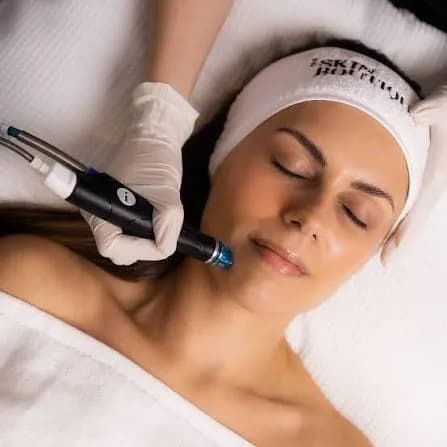
HydraFacial is a non-invasive, multi-step skin rejuvenation treatment that combines cleansing, exfoliation, extraction, and deep hydration in a single 30–45 minute session. It uses a patented vortex-fusion handpiece that simultaneously loosens and removes impurities from pores while infusing the skin with a customised blend of serums — typically containing hyaluronic acid, antioxidants, and peptides.
Unlike traditional facials or more aggressive resurfacing procedures, HydraFacial requires zero downtime. Most patients walk out of the clinic with visibly brighter, smoother skin and return to their normal routine immediately. According to the American Academy of Dermatology, non-invasive hydration-based facials have seen a consistent rise in popularity because they deliver measurable improvements without the recovery burden of ablative treatments.
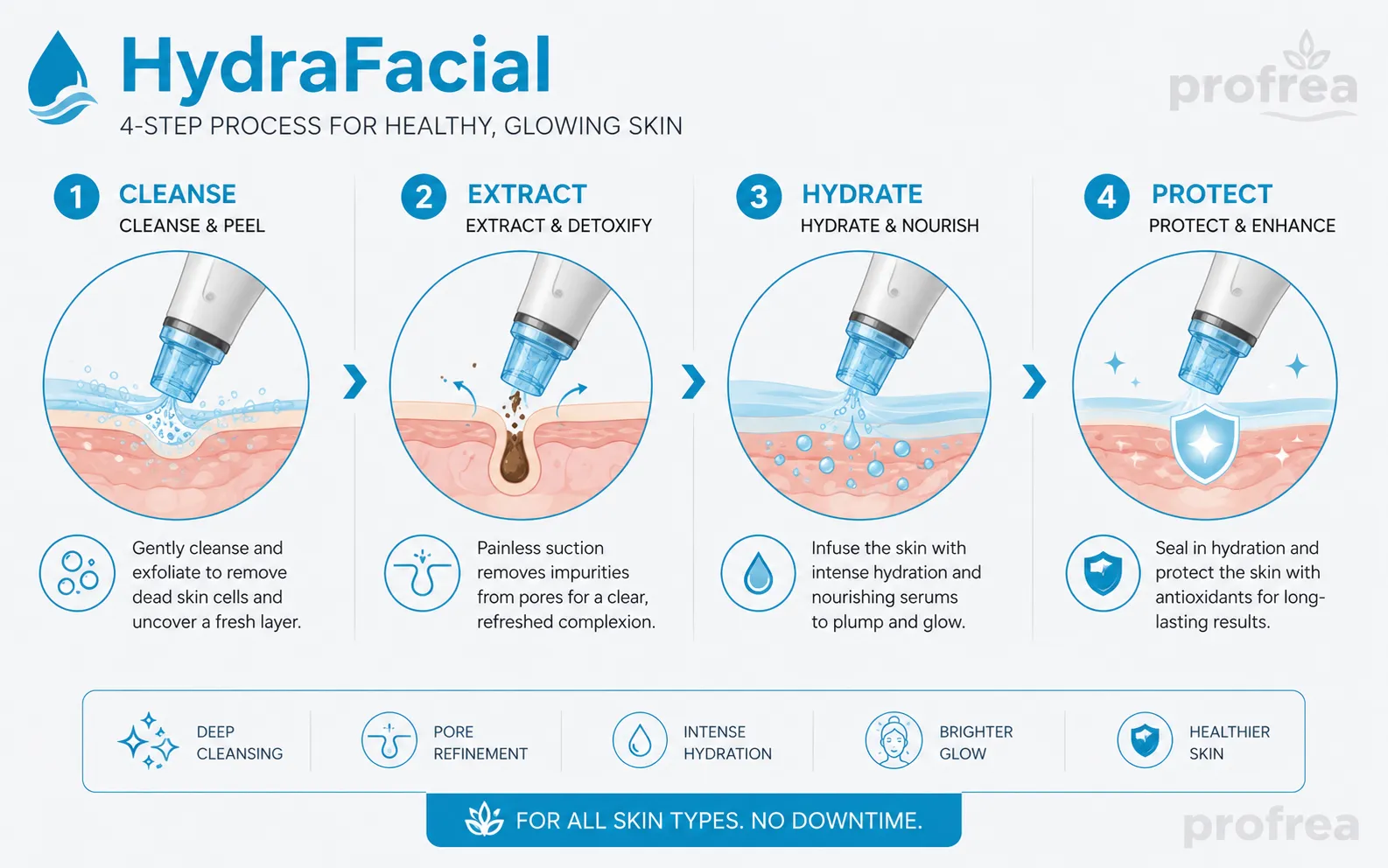
Understanding the treatment sequence helps set realistic expectations. A standard HydraFacial moves through four distinct phases:
Cleanse & Peel: A gentle resurfacing tip removes dead skin cells and unclogs the outermost layer of the skin without the irritation associated with chemical peels.
Extract & Hydrate: The vortex suction technology draws out blackheads, sebum, and debris from pores while simultaneously delivering moisturising hyaluronic acid.
Fuse & Protect: Targeted antioxidant and peptide serums are infused into the freshly cleared skin to nourish, firm, and protect against environmental damage.
Customisation Boosters (optional): Depending on your skin concerns — pigmentation, acne, fine lines, or sensitivity — your skin specialist may add targeted boosters at this stage.
The entire process is comfortable. Most patients describe a light suction sensation and a cooling, refreshing feeling throughout. There is no redness, peeling, or sensitivity afterwards in the vast majority of cases.

The four-phase HydraFacial process: cleanse, extract, hydrate, and protect.
One of the most compelling aspects of HydraFacial is its broad suitability. Unlike laser treatments or chemical peels that require careful patient selection based on skin tone and sensitivity, HydraFacial is designed to work across a wide range of skin types — including Indian skin tones that are more prone to post-inflammatory hyperpigmentation with aggressive treatments.
HydraFacial is particularly beneficial for people experiencing:
Dull, dehydrated, or uneven skin tone
Enlarged or congested pores
Mild-to-moderate acne and oily skin
Fine lines and early signs of ageing
Sun damage and pigmentation
Rough skin texture
Sensitivity to stronger resurfacing procedures
It is equally popular as a pre-event skin prep treatment — many patients in Gurugram book a session before weddings, corporate events, or important occasions to achieve an immediate glow. The results are visible within hours and typically last 5–7 days for the initial radiance boost, with cumulative improvements building over a course of sessions.
If you are unsure whether HydraFacial is the right starting point for your skin goals, consulting a qualified skin specialist at Profrea is the best first step. A brief skin assessment can help determine whether HydraFacial alone or a combination approach will deliver the results you are looking for.
Many patients ask whether a HydraFacial is simply a premium version of a regular salon facial. The answer is no — and the distinction matters clinically.
A traditional facial relies primarily on manual techniques — steaming, manual extraction, and topical product application. Results vary significantly depending on the therapist's skill, the products used, and your skin's response on the day. There is also a higher risk of irritation or breakouts from manual extraction, particularly for acne-prone skin.
HydraFacial, by contrast, uses standardised, device-driven technology. The vortex suction ensures consistent extraction depth without trauma to the skin. The simultaneous infusion of serums means active ingredients are delivered directly into freshly cleared pores — a level of penetration that topical application alone cannot achieve. The treatment is performed in a clinical setting by trained professionals, not a beauty salon, which means the entire process is governed by skin health principles rather than relaxation aesthetics.
A single HydraFacial session produces noticeable results — but the most meaningful improvements in skin texture, tone, and pore size come with a consistent treatment plan. Most skin specialists recommend:
Once a month for general skin maintenance and hydration
Every 2–3 weeks initially for acne-prone or congested skin
A course of 4–6 sessions for visible improvement in fine lines, pigmentation, or enlarged pores
The frequency and number of sessions should always be guided by a qualified practitioner who can assess your skin's response and adjust the booster serums used in each session accordingly. Profrea's skin specialists across its 7 clinic locations in Gurugram offer personalised skin consultations to help you build a treatment plan that fits your skin goals and schedule.
Arrive with a clean face if possible, though your practitioner will cleanse your skin at the start of the session. Avoid using retinoids, AHAs, or BHAs for 48 hours before your appointment, as these can increase skin sensitivity. Inform your practitioner of any active skin conditions, recent procedures, or medications.
The session typically takes 30–45 minutes. You will feel gentle suction and a cool, slightly tingly sensation as the handpiece moves across your face. There is no pain. Many patients find the experience deeply relaxing.
Your skin will look immediately brighter and feel noticeably smoother. There is no redness, peeling, or recovery period. You can apply makeup and return to work the same day. Your practitioner will recommend a simple post-treatment skincare routine — usually a gentle cleanser, moisturiser, and broad-spectrum SPF — to protect and extend your results. Avoid heavy gym sessions, saunas, or direct sun exposure for 24 hours.
Gurugram's urban environment — pollution, hard water, air conditioning, and high-stress corporate lifestyles — creates a specific set of skin challenges that HydraFacial is well positioned to address. Here is how the treatment maps to the most common concerns seen in Profrea's clinics:
Particulate matter and environmental toxins accumulate in pores and on the skin's surface, leading to a dull, grey complexion and frequent breakouts. HydraFacial's extraction phase is particularly effective at removing this type of deep-seated congestion, while the antioxidant serums help neutralise free radical damage caused by pollution exposure.
Extended time in air-conditioned offices and cars strips moisture from the skin. The hyaluronic acid infusion in HydraFacial directly replenishes this moisture deficit, restoring plumpness and reducing the appearance of fine lines caused by dehydration rather than true ageing.
Sun exposure is intense in Gurugram for much of the year. HydraFacial's exfoliation step removes the uppermost layer of pigmented, dead skin cells, while brightening booster serums can be added to target melanin production. A course of sessions, combined with daily SPF use, produces meaningful improvement in uneven tone and sun spots.
For more complex pigmentation or acne concerns, Profrea's team may recommend combining HydraFacial with other treatments. Speak with a Profrea skin doctor to explore a personalised combination approach.
This is a particularly important question for patients with South Asian skin tones, which fall in the Fitzpatrick IV–VI range and are more susceptible to post-inflammatory hyperpigmentation (PIH) from aggressive treatments. HydraFacial's non-ablative, non-thermal mechanism means there is no risk of PIH from the procedure itself — making it one of the safest aesthetic skin treatments available for darker skin tones.
Clinical literature consistently supports the use of hydration-based, non-ablative facials as first-line aesthetic treatments for patients with Fitzpatrick IV–VI skin, precisely because they deliver visible results without the pigmentation risks associated with lasers or chemical peels. A review published on PubMed examining non-invasive facial treatments in diverse skin populations found hydration-focused procedures to have the most favourable safety profile across all skin types.
HydraFacial works well as a standalone treatment, but it also serves as an excellent foundation for a broader skin health programme. Common combinations include:
HydraFacial + LED light therapy: Enhances anti-inflammatory and collagen-stimulating benefits, particularly useful for acne-prone skin.
HydraFacial + microneedling (on separate sessions): HydraFacial preps the skin and improves baseline hydration; microneedling addresses deeper textural concerns and scarring.
HydraFacial + chemical peel (alternating sessions): Alternating between the two treatments can accelerate pigmentation correction and skin renewal.
HydraFacial + medical-grade skincare: A personalised home-care regimen prescribed by your skin specialist amplifies and sustains in-clinic results.
Any combination approach should be designed and supervised by a qualified practitioner. Profrea's multi-specialty clinic network in Gurugram includes experienced aesthetic doctors who can assess your skin comprehensively and recommend the most effective, evidence-based treatment pathway.
With HydraFacial growing in popularity, it is now offered at a wide range of venues — from medical aesthetic clinics to beauty salons. The quality of your experience and results depends significantly on where and by whom the treatment is performed. Here are the key factors to consider:
Clinical setting: HydraFacial should be performed in a clean, medically supervised environment, not a beauty salon. A clinical setting ensures proper hygiene protocols and the ability to manage any unexpected skin reactions.
Qualified practitioners: The treatment should be performed or supervised by a qualified dermatologist, aesthetic physician, or trained clinical aesthetician — not an unqualified beauty therapist.
Genuine equipment: Ensure the clinic uses authentic HydraFacial technology. Counterfeit devices that mimic the appearance of the handpiece are common and produce inferior, potentially unsafe results.
Personalised consultation: A reputable provider will assess your skin before the session, discuss your concerns, and customise the booster serums used. A one-size-fits-all approach is a red flag.
Transparent aftercare guidance: Your practitioner should provide clear post-treatment instructions and be available for follow-up if you have concerns.
Profrea's aesthetic clinics across Gurugram are staffed by highly qualified specialists and operate from fully equipped, premium clinical spaces designed to deliver safe, effective aesthetic treatments. Appointments can be booked quickly through Profrea's streamlined scheduling system — so you spend less time waiting and more time focusing on your skin health. You can also explore Profrea's aesthetic and skin care doctors to find the right specialist for your needs.
A standard HydraFacial session takes approximately 30–45 minutes. If additional booster steps or LED therapy are included, the session may extend to 60 minutes.
No. HydraFacial requires zero downtime. You can apply makeup and resume all normal activities immediately after the session. Most patients notice an immediate improvement in skin brightness and texture.
Results are visible immediately after the session. Skin appears brighter, smoother, and more hydrated within hours. The initial radiance typically lasts 5–7 days, with cumulative improvements building over a course of regular sessions.
Yes, HydraFacial is beneficial for mild-to-moderate acne and oily, congested skin. The extraction phase removes excess sebum and debris from pores, while anti-inflammatory booster serums can be added to calm active breakouts. However, it is not a replacement for medical acne treatment in moderate-to-severe cases — a skin specialist can advise on the most appropriate approach for your specific condition.
The mechanical cleansing and hydration aspects of HydraFacial are generally considered safe during pregnancy, but certain booster serums — particularly those containing salicylic acid or retinol — should be avoided. Always inform your practitioner if you are pregnant or breastfeeding so that the treatment can be appropriately modified.
For general skin maintenance, once a month is typically recommended. For specific concerns such as acne, congestion, or pigmentation, your skin specialist may recommend more frequent sessions initially — typically every 2–3 weeks — before transitioning to a monthly maintenance schedule.
Yes. HydraFacial combines well with LED light therapy, microneedling (on separate sessions), and medical-grade skincare. Your practitioner will advise on the optimal sequencing and interval between treatments to maximise results and minimise any risk of skin sensitivity.
Profrea operates 7 clinic locations across Gurugram, all offering aesthetic skin treatments including HydraFacial. You can book an in-clinic consultation or a video consultation through the Profrea app or website. Browse Profrea's skin specialists in Gurugram to find a convenient location and available appointment slots.
Profrea's qualified skin specialists across Gurugram offer personalised HydraFacial consultations — book your appointment online or through the Profrea app in minutes.